 11
11
The Caribbean environmental crisis is no longer a peripheral issue. It has become the central strategic question shaping the region’s future. For decades, Caribbean territories approached environmental challenges separately: waste management here, coastal erosion there, climate adaptation elsewhere. But reality is now forcing us to confront a much deeper truth. The crises affecting the region — sargassum invasions, water stress, biodiversity loss, marine pollution, rising sea levels, energy dependency, coastal vulnerability, and increasingly violent climate events — are not isolated problems. They form a single ecosystem of interconnected vulnerabilities.
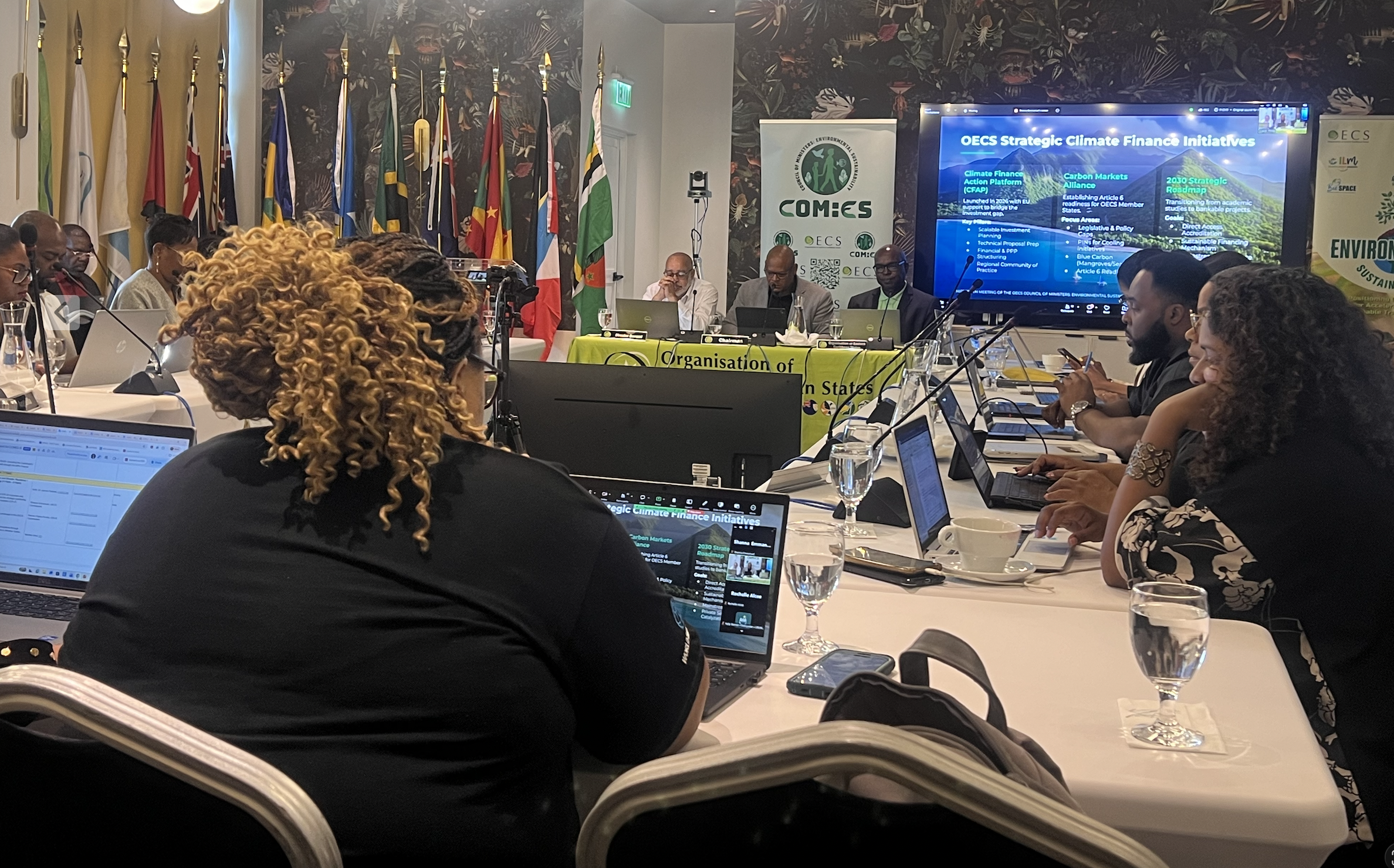
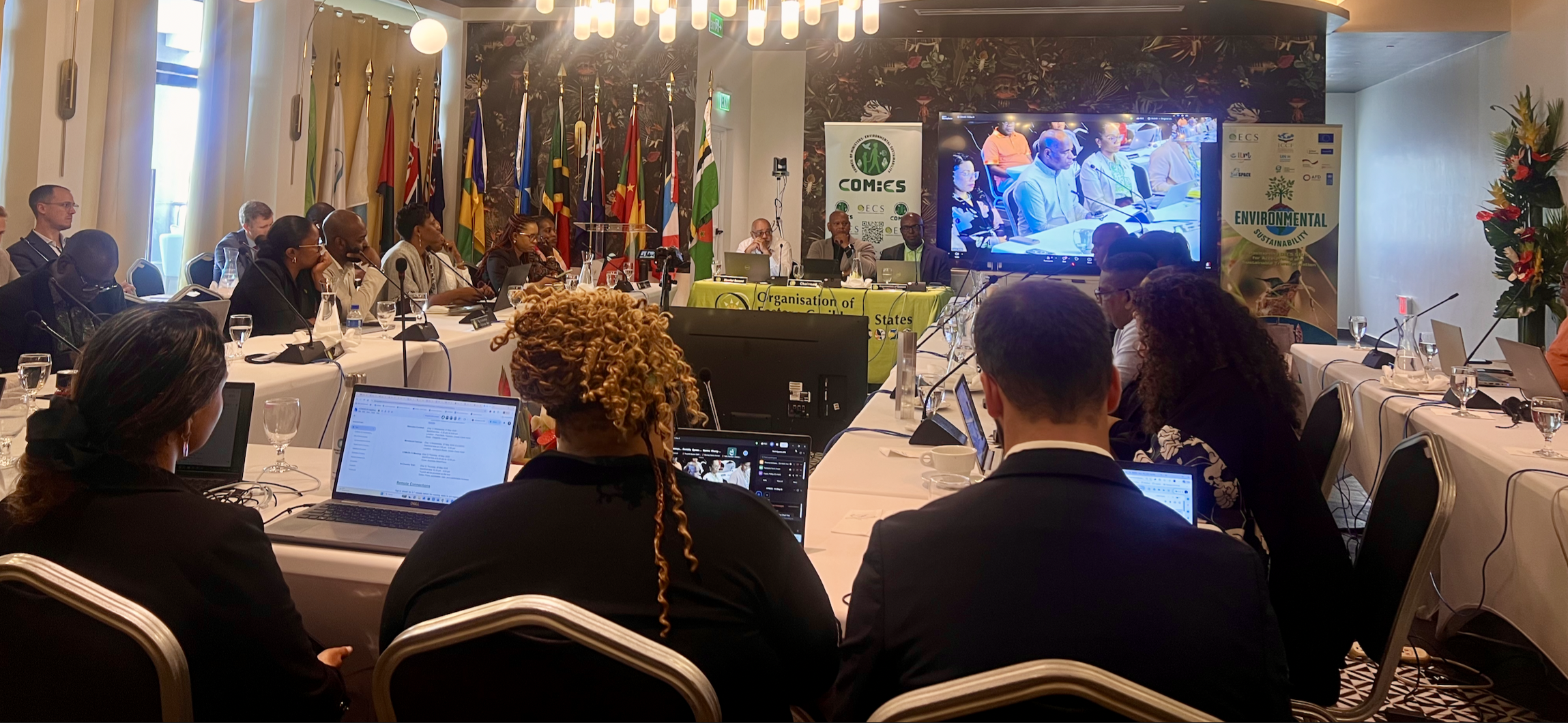
The Caribbean Sea does not divide our territories. It connects our fragilities. This is precisely why the 13th OECS Council of Ministers: Environmental Sustainability Meeting (COM:ES 13), taking place in Dominica under the theme “The OECS Collective Resolve: Innovative Pathways in a High-Risk Global Landscape,” matters so profoundly for the region. The agenda itself reveals the scale of the challenge ahead: ocean governance, pollution and waste management, biodiversity, land and water management, climate resilience, sustainable energy, fisheries, and ecosystem restoration.
In other words: the very conditions that will determine whether Caribbean societies remain economically viable, politically stable, and environmentally habitable in the decades to come.
The Caribbean faces a brutal paradox. We are among the regions least responsible for global climate change, yet among those suffering its most immediate and devastating consequences. A single hurricane can erase years of GDP growth. Massive sargassum events simultaneously impact tourism, fisheries, public health, and coastal ecosystems. Energy dependency continues to weaken both our economies and our sovereignty.
And in an increasingly unstable geopolitical environment, marked by energy insecurity, global conflicts, and competition over strategic resources, Small Island Developing States (SIDS) cannot afford fragmentation. This is where the real challenge lies. The Caribbean ecological transition cannot merely become a succession of externally funded projects managed in isolation. It must evolve into a coherent regional political vision. A shared doctrine of resilience.
That requires a fundamental shift in scale and thinking. Mangroves must be understood not simply as local ecosystems, but as regional climate infrastructure. Renewable energy cooperation must be viewed not only through the lens of economics, but through that of collective security. Sargassum management must cease being treated as an episodic nuisance and instead be recognized as a regional strategic issue requiring coordinated Caribbean responses.
Most importantly, the region must begin to think of itself as an integrated strategic space facing common 21st-century risks.
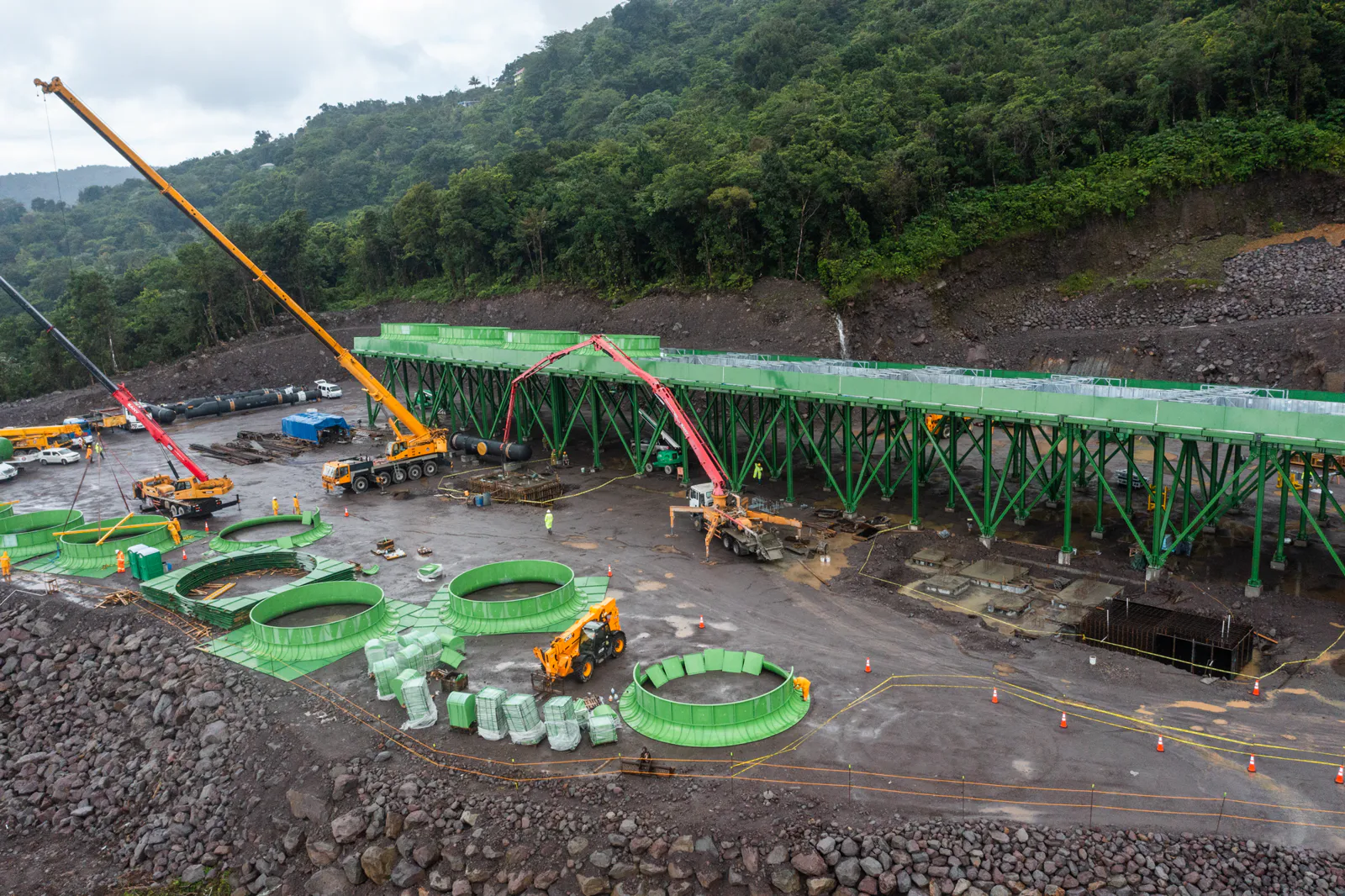
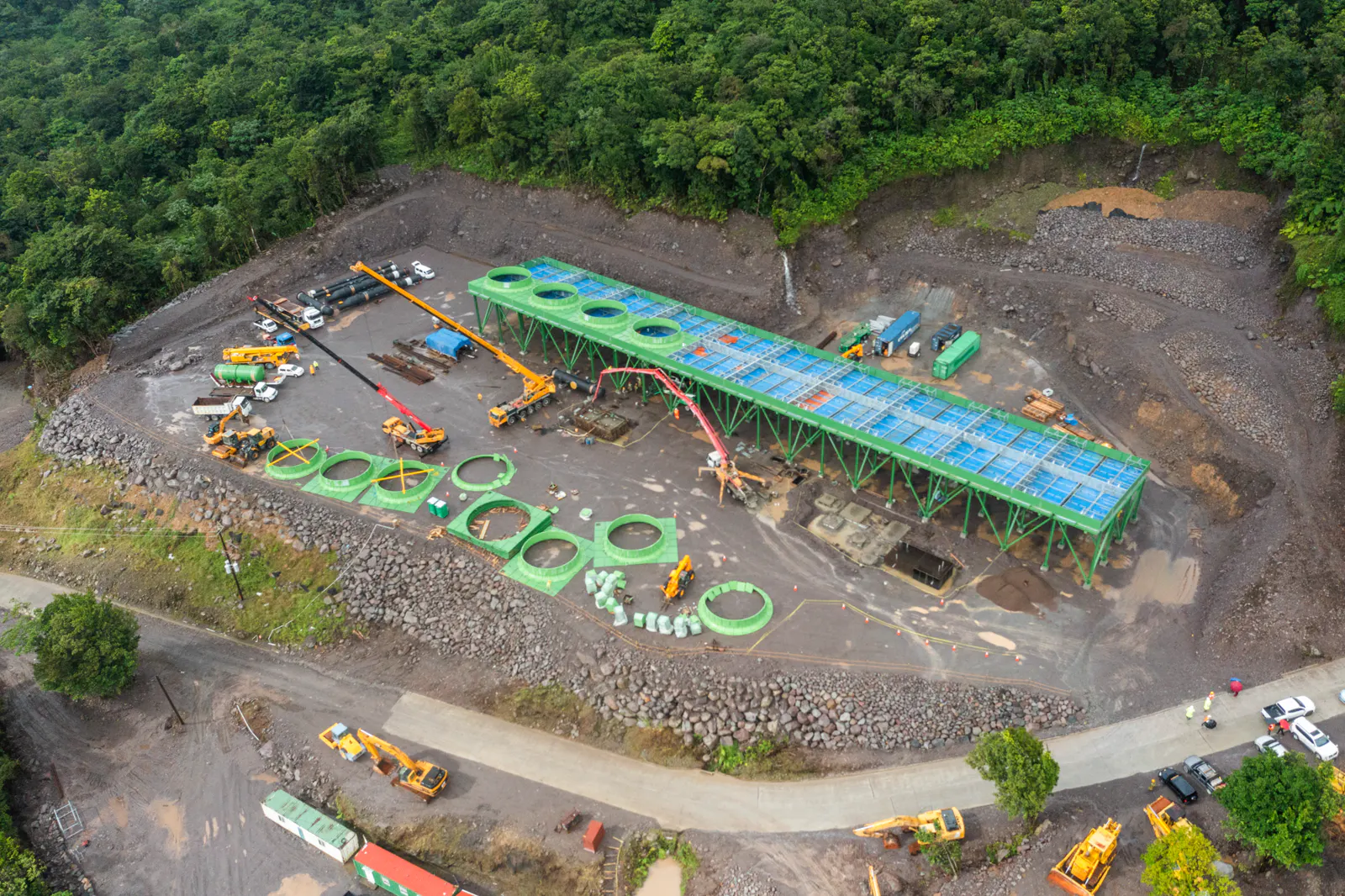
Dominica, which hosts COM:ES 13, embodies many of these contemporary realities. The country stands at the intersection of geothermal ambition, climate vulnerability, ecological preservation, and regional resilience-building following the trauma of Hurricane Maria. The presence of institutions such as the Caribbean Community Climate Change Centre (CCCCC), the European Union, the World Bank, IUCN, Expertise France, and other international partners also confirms something increasingly evident: the Caribbean is becoming a global laboratory for resilience policies in Small Island Developing States.
Yet the region must remain vigilant. The Caribbean cannot become merely a climate experimentation zone designed from the outside. Caribbean territories must produce their own environmental doctrine, rooted in island realities, regional interdependence, and Caribbean strategic interests.
Because behind the environmental question lies a much larger one: what place will the Caribbean occupy in the world that is emerging?
Perhaps the greatest lesson of this historical moment is that our islands will not survive through isolation, but through archipelagic solidarity.
And perhaps, at last, the environmental crisis is forcing the Caribbean to understand itself not as scattered territories, but as a system of relations.